












WORLD OF LABOUR
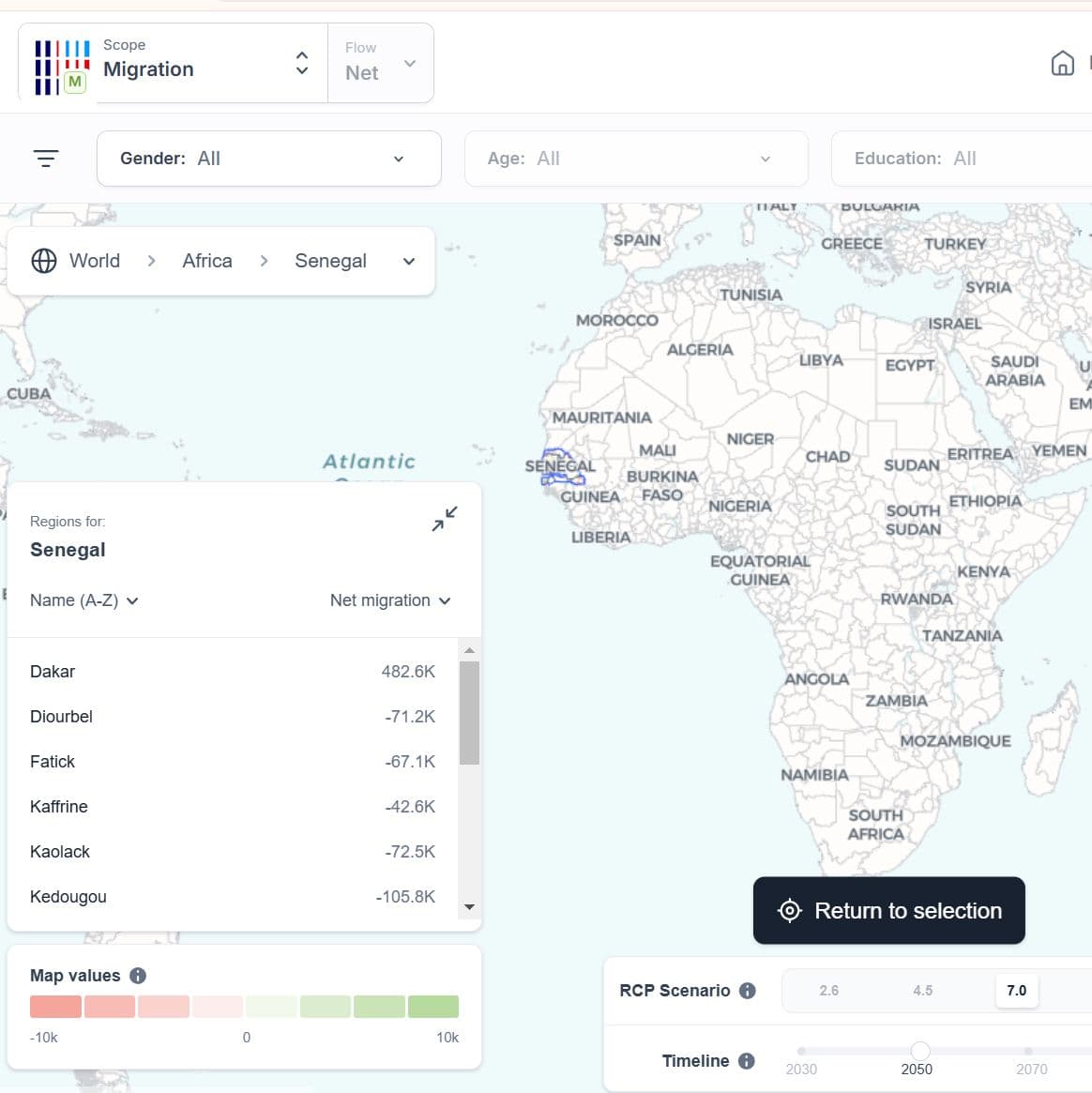
How skilled emigration can weaken countries, but also help them grow when managed well?

Turning evidence into policy pathways that shape the future

The LISER Policy Lab, created by the Luxembourg Institute for Socio-Economic Research (LISER), is a pioneering initiative to tackle Luxembourg’s and Europe’s most pressing challenges.
At a time when public policies are becoming increasingly complex and costly, the LISER Policy Lab brings rigorous scientific analysis into decision-making. It provides independent, high-quality insights across areas such as economic development, climate change, public health, digitalisation, housing, education, and social cohesion.
The LISER Policy Lab follows a four-stage cycle to ensure policies remain effective and adaptable:
Built on impartiality, transparency, and collaboration, the Lab positions Luxembourg as a leader in evidence-based governance.
The LISER Policy Lab supports policy design, monitoring, and evaluation across multiple domains, aligning priorities with the needs of citizens, communities, and businesses.
Every policy choice involves timing, targeting, and trade-offs. The LISER Policy Lab equips policymakers with the analytical tools needed to activate the right levers — at the right moment, in the right place, and in the right way.
How skilled emigration can weaken countries, but also help them grow when managed well?

On 29 April, LISER joined ambassadors and heads of mission to present research addressing global challenges and informing foreign policy in today’s shifting geopolitical landscape.

Evidence from Luxembourg shows Early Childhood Education and Care (ECEC) reduces inequalities linked to school-entry age, with larger benefits for disadvantaged children.