



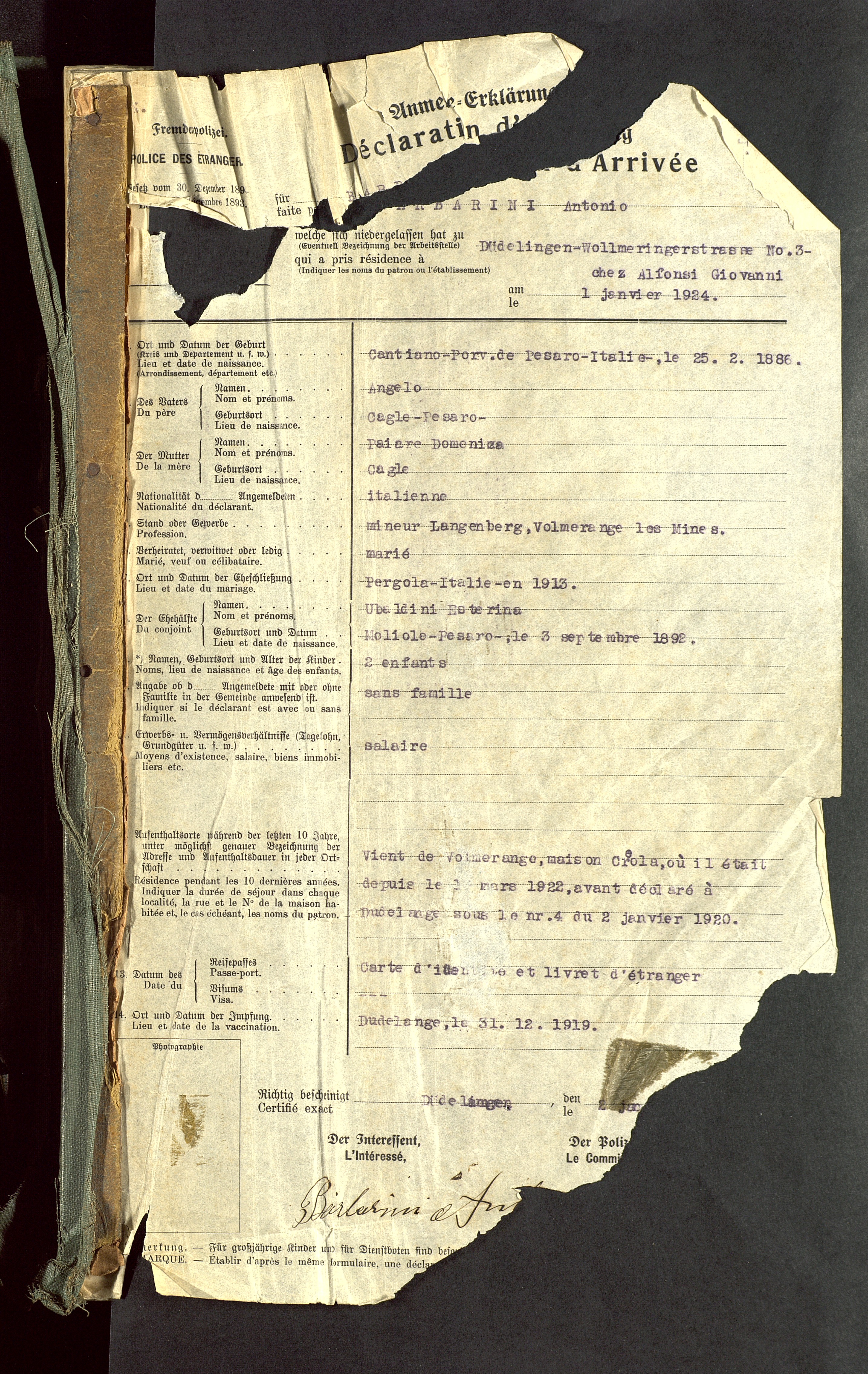
In this public lecture, I reflect on my current work as a contemporary transnational historian to explore how migration research and border studies are being reshaped in the digital age. First, I show that migration became “data” long before it became digital: historical administrative sources on population movement demonstrate a process of datafication avant la lettre that turned migrants into objects of knowledge and governance. This invites renewed attention to source criticism, to the epistemic violence of silences in the archive, and to the necessity of mapping both provenance and position in geographical visualisations. Second, I argue for mixed-methods approaches that combine large-scale, computational perspectives with close reading, foregrounding confidence scores rather than claims to certainty. Drawing on our work with AI-based recognition of struck-through historical addresses, I illustrate how deep zooms into individual cases can both test and enrich macro-level patterns. Third, I advocate encompassing an entire integrated digital workflow into research as an epistemic arrangement in its own right. Using ongoing research projects as examples, I discuss how analysis is embedded in end-to-end processes—from data modelling and code to built-in journaling functionalities—and how this is also translated into university teaching. I conclude by reflecting on my ongoing project, building a community archive for Border Studies, which mobilises these insights to co-create a digital infrastructure with borderland communities, reconfiguring who preserves scientific knowledge and whose perspectives become visible in the digital record.


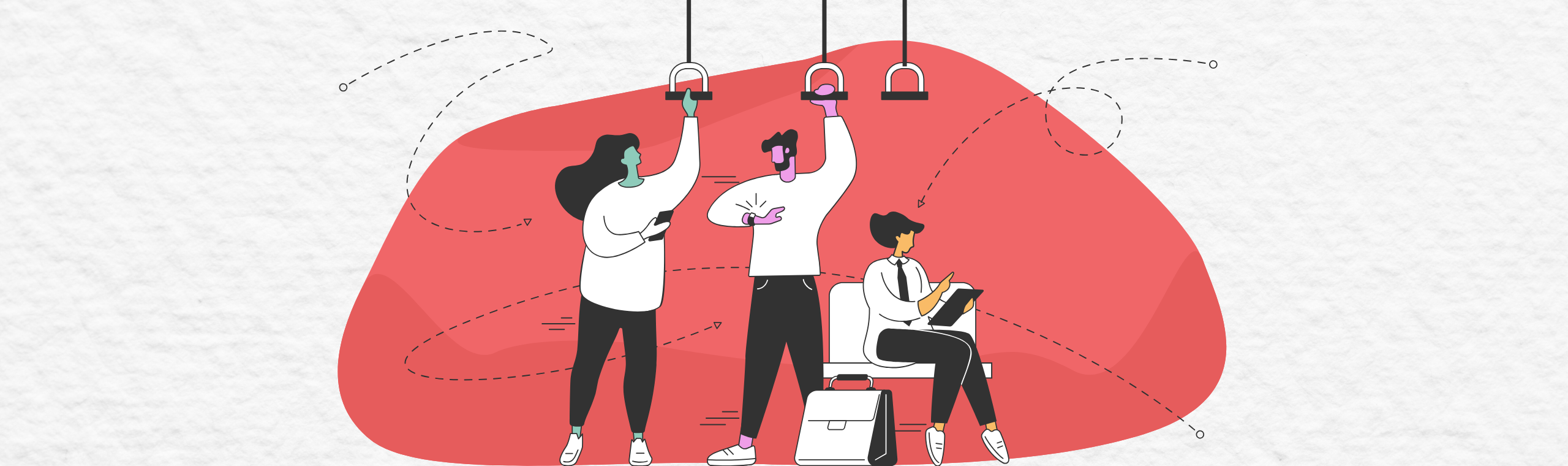
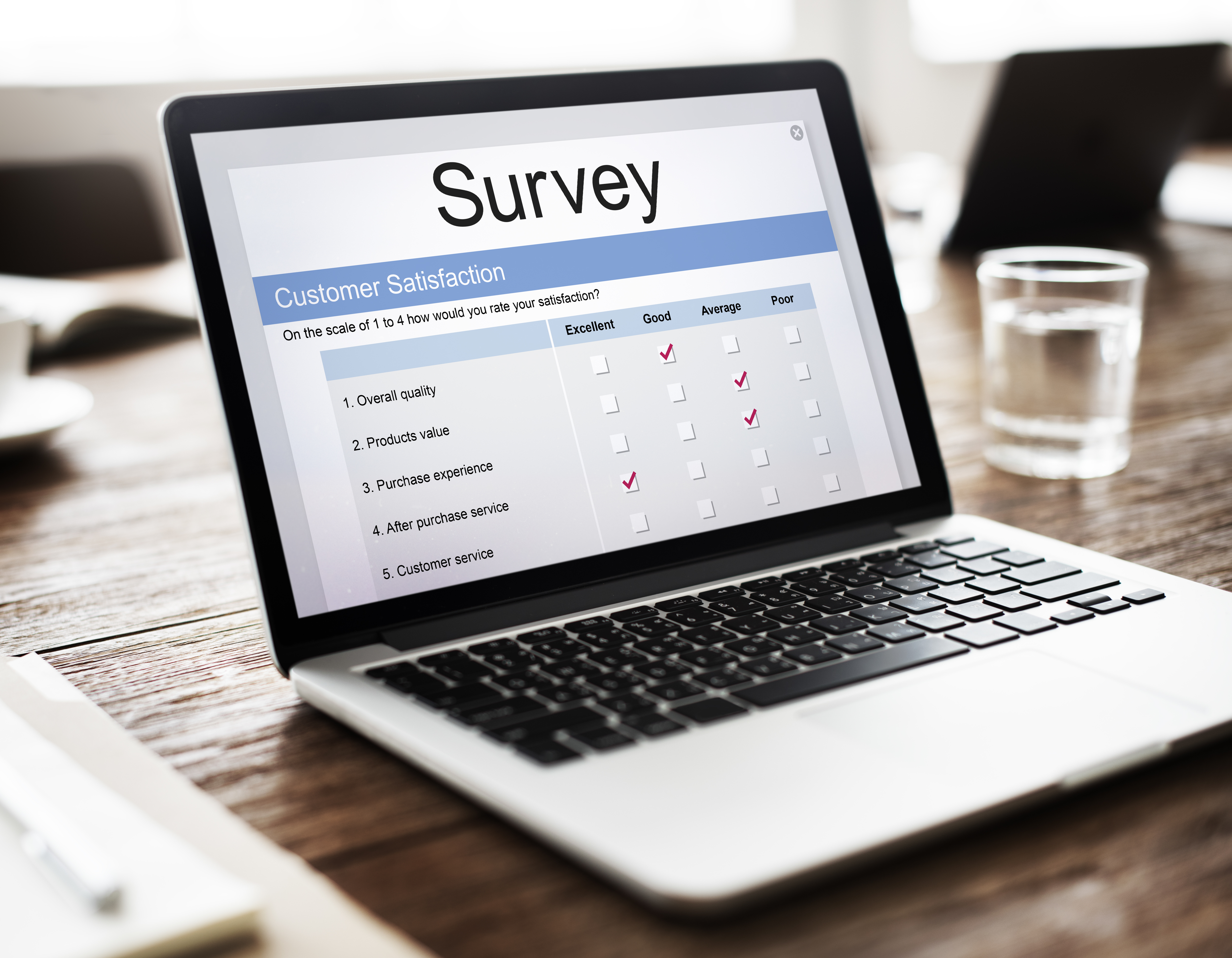
🎁 Partagez vos expériences de déplacement au quotidien, contribuez à la recherche sur la mobilité au Luxembourg et dans la Grande Région, et recevez des récompenses pouvant aller jusqu’à 80 €, avec une chance supplémentaire de gagner 200 € !