

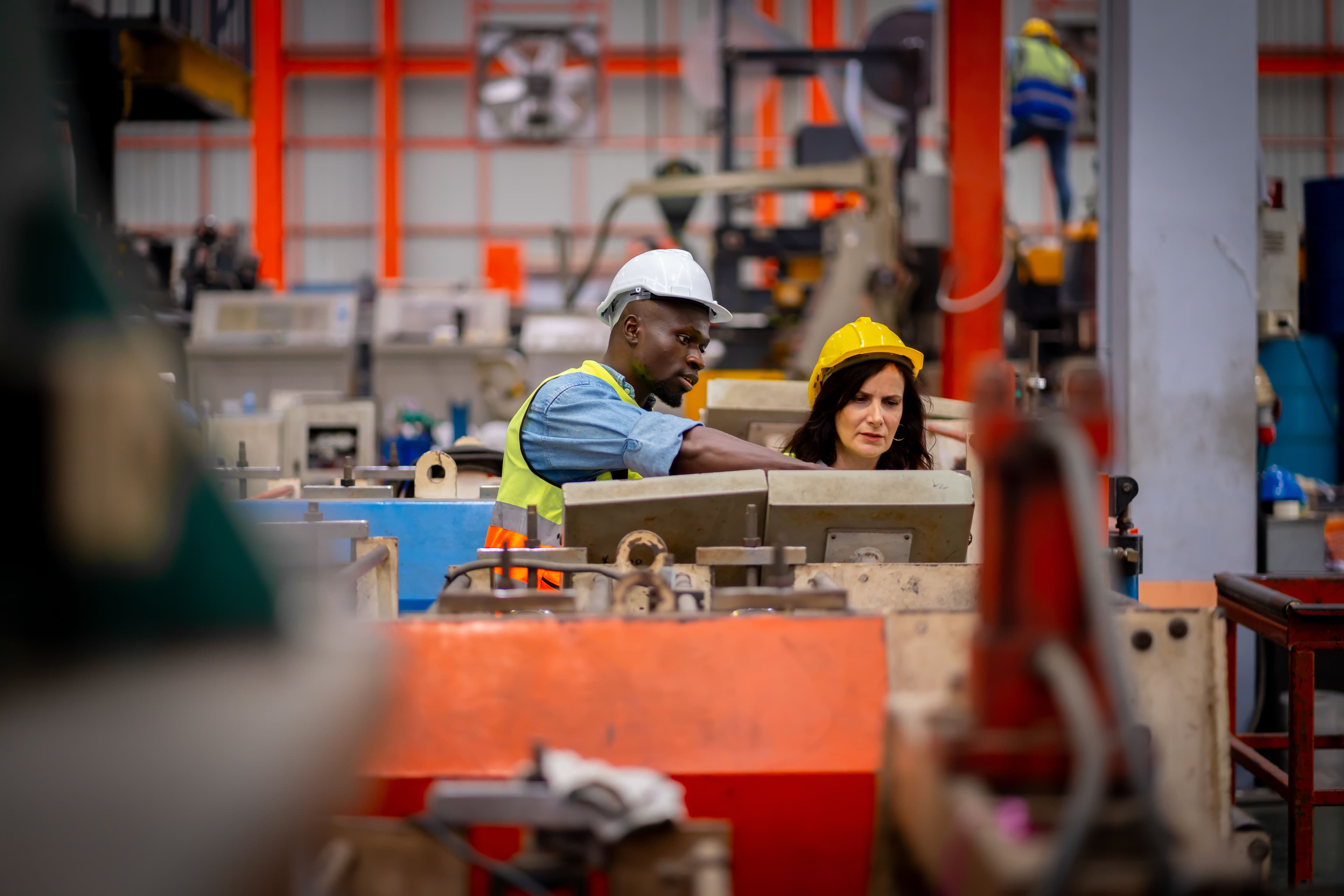






Chile’s labour market has modernised, with rising participation - especially among women - higher real wages, and stronger institutions. Yet productivity remains constrained by structural barriers, including lengthy permits, skills gaps, low R&D investment, and slow technology adoption. A large low-productivity segment persists, contributing to informality, while gender, regional, and income inequalities remain.
Limited fiscal space further restricts policy action. Policy makers should adopt a cross-sector approach to boost productivity and inclusion, focusing on skills, innovation, and regulatory reform, while reducing informality and inequality.
Continuous adaptation, supported by social dialogue, is essential to address demographic, technological, and external challenges.