




This paper examines how personality shapes joint consumption, the division of labor, and bargaining within marriages. We use individual-level data from the HILDA Survey on consumption, time use, marital stability, and personality traits. Our empirical evidence suggests a systematic link between personality and marriage dynamics, specifically, labor-market outcomes, divorce risk, and intra-household decision-making. To explain these patterns, we estimate a structural model of collective choices with endogenous marriage and divorce under limited commitment. In this framework, personality enters the household child-production function, the match-quality process, and individual labor-market productivity. Counterfactual simulations indicate that specialization, risk-sharing, and bargaining are the primary channels through which personality shapes marital behavior.


COLLABORATION
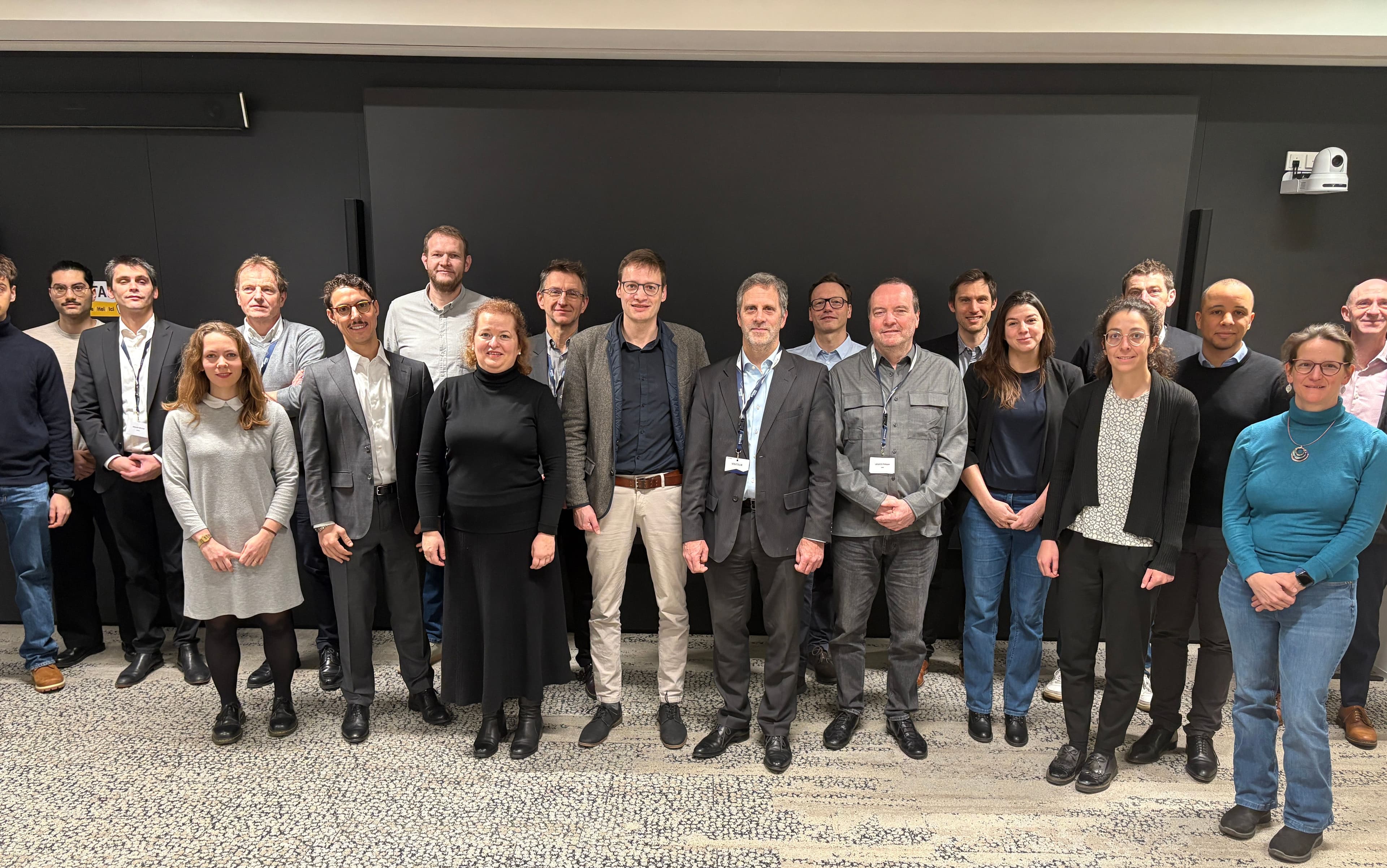
The CSP Modelling sub-group, jointly initiated by LISER and STATEC, held its first meeting, laying the foundations for stronger collaboration and shared modelling approaches.
.png&w=3840&q=75)
